Lasagna Bolognese is one of the most iconic dishes in Italian cuisine. Known for its rich ragù, creamy béchamel, and perfectly layered pasta sheets, this recipe represents the heart of traditional Italian home cooking. Originating from Bologna, in the Emilia-Romagna region of Italy, Lasagna Bolognese has been enjoyed for centuries as a comforting family meal, especially on Sundays and special occasions.
If you love classic Italian comfort food, you’ll also enjoy Spaghetti Carbonara — a rich, creamy pasta favorite that’s perfect for family dinners.
What makes this Lasagna Bolognese unique is the slow-cooked ragù, a flavorful meat sauce made with ground beef, onion, carrot, celery, tomato, and a splash of red wine. The ragù is then layered with silky béchamel sauce and fresh pasta sheets, creating a dish that is both hearty and elegant.
Table of Contents
Tips & Tricks
- To make the best Lasagna Bolognese, take your time with the ragù. A slow simmer of at least one hour allows the flavors of the meat, vegetables, and wine to develop into a rich, deep sauce. If you want an even more traditional taste, you can add a small amount of pancetta at the beginning of cooking.
- For the béchamel, the secret is to whisk continuously while adding the milk. This ensures a silky, lump-free sauce that blends perfectly with the ragù. If you prefer a slightly lighter version, you can replace part of the butter with olive oil.
- When assembling, always start with a thin layer of ragù on the bottom of the baking dish to prevent the pasta from sticking. Finish with béchamel and parmesan for a golden, bubbling crust that everyone will love.
Serving Suggestions
- Lasagna Bolognese is a complete meal on its own, but it pairs beautifully with a few simple side dishes. A crisp green salad with olive oil and balsamic vinegar balances the richness of the pasta. Freshly baked garlic bread or focaccia also make the perfect accompaniment.
- When it comes to drinks, this lasagna shines with a medium-bodied Italian red wine such as Chianti, Sangiovese, or Barbera. For a non-alcoholic option, try sparkling water with a slice of lemon to cleanse the palate.
- This recipe also works wonderfully for meal prep. You can refrigerate the lasagna before baking and cook it the next day, or freeze portions for up to two months. Reheat in the oven until hot and bubbling for a quick and delicious dinner.
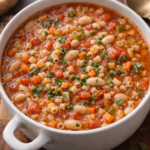
For another comforting Italian classic, try Pasta e Fagioli — a hearty pasta soup that’s cozy, filling, and perfect for any season.

Lasagna alla Bolognese
Ingredients
Equipment
Method
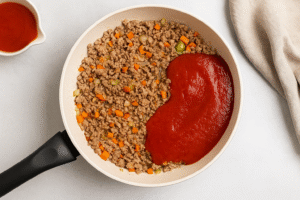
- Make the ragù: Heat olive oil, sauté onion, carrot, celery. Add ground meat, brown well. Deglaze with wine. Stir in tomato paste, passata, broth. Season and simmer 1–1h 15 min.
- Make the béchamel: Melt butter, whisk in flour. Slowly add milk while whisking. Season and cook until thick and creamy.
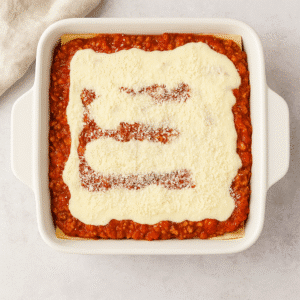
- Assemble the lasagna: In a baking dish, spread ragù. Layer pasta → ragù → béchamel → parmesan. Repeat, finishing with béchamel + parmesan.
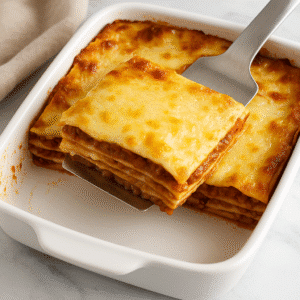
- Bake: Cover with foil, bake 25 min at 180°C (350°F). Remove foil, bake 20 min more until golden.
- Serve: Rest 10 minutes before slicing.

Notes
- Can be prepared in advance and refrigerated up to 24h.
- Freezes well for up to 2 months.
- For extra flavor, add pancetta to the ragù base.
Storage & Reheating
One of the best things about Lasagna Bolognese is that it tastes even better the next day. Store leftovers in an airtight container in the refrigerator for up to 3 days. To reheat, cover with foil and warm in the oven at 180°C (350°F) for about 20 minutes, or until hot all the way through. You can also freeze individual portions for up to 2 months for an easy, ready-to-serve meal.
Final Thoughts
This recipe is simple, satisfying, and packed with flavor — the kind of meal you’ll want to make again and again. If you try it, don’t forget to check out the related recipes above for more delicious inspiration!
And if you want a lighter Italian dish to enjoy alongside pasta nights, Italian Minestrone Soup is a warm, veggie-packed recipe worth trying.
Lasagne is a traditional Italian pasta dish made with layered pasta sheets and sauce, with its history documented on Wikipedia.