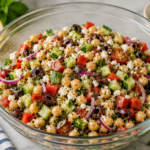
Mediterranean chickpea salad is a fresh, colorful recipe made with tender chickpeas, crisp vegetables, salty olives, creamy feta, and a bright lemon dressing. It comes together in only 15 minutes and requires no cooking, making it a practical choice for warm days, quick lunches, picnics, or simple family dinners.
The combination of chickpeas and fresh vegetables gives the salad a satisfying texture without making it feel heavy. Cucumber and bell pepper add crunch, cherry tomatoes provide sweetness, and red onion brings a sharper note that balances the mild chickpeas. Kalamata olives, feta cheese, parsley, and optional mint complete the Mediterranean-style flavor.
This salad works especially well alongside other recipes inspired by Mediterranean and Southern European cooking. For a classic homemade main dish from the same recipe collection, Pizza Margherita offers a simple pairing built around tomato, cheese, and fresh herbs.
Table of Contents
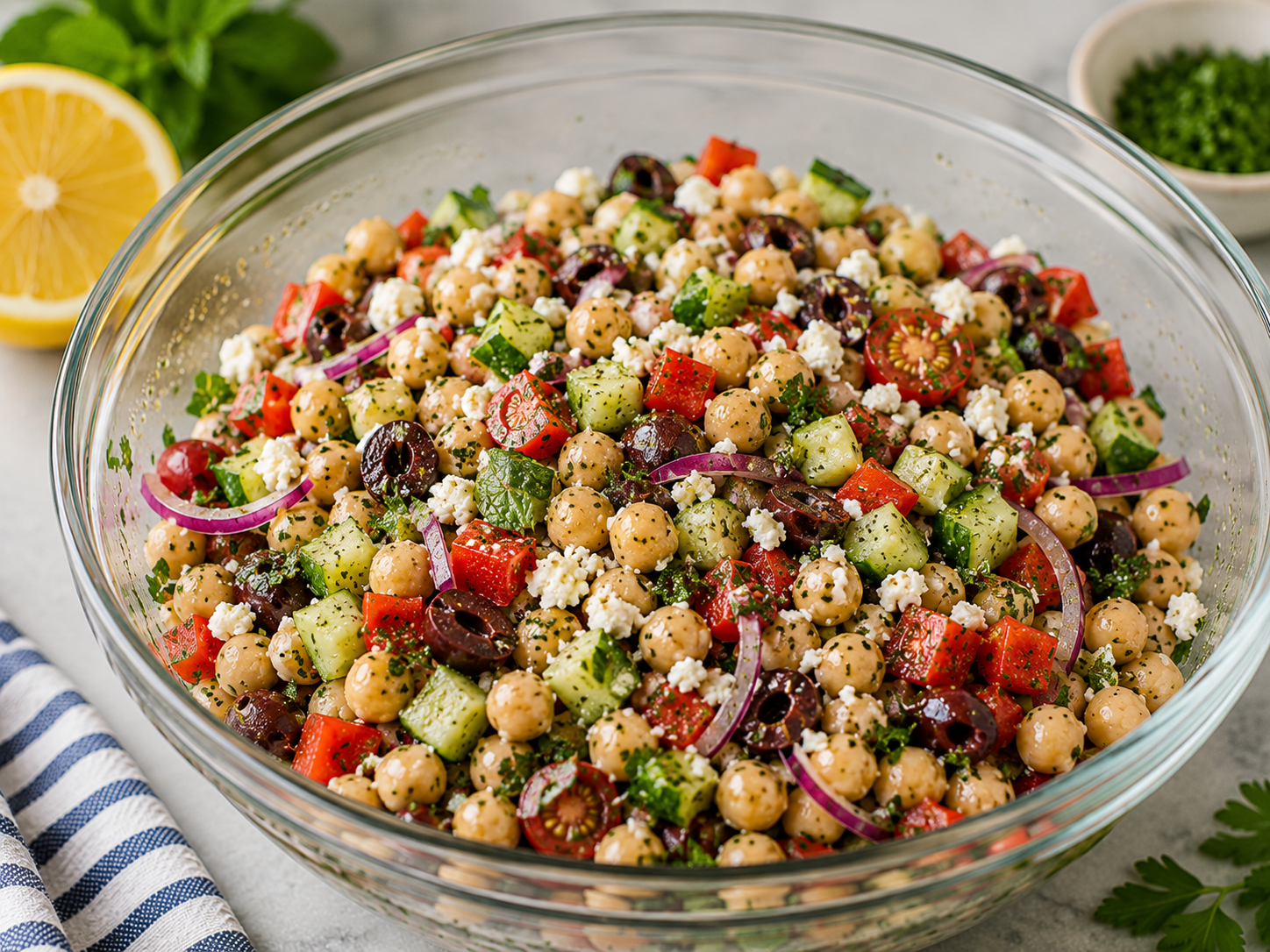
Mediterranean Chickpea Salad – Fresh and Easy Summer Recipe
Ingredients
Equipment
Method
Prepare the chickpeas:
Drain and rinse the chickpeas well under cold water. Allow them to drain completely, then pat them gently with paper towels to remove excess moisture.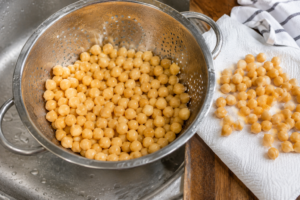
Chop the vegetables:
Dice the cucumber and red bell pepper, halve the cherry tomatoes and olives, and finely slice the red onion.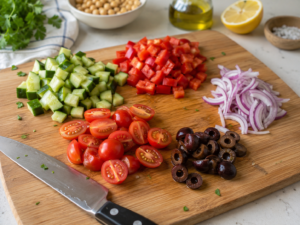
Make the dressing:
In a small bowl or jar, combine the olive oil, lemon juice, garlic, oregano, Dijon mustard, salt, and black pepper. Whisk or shake until well combined.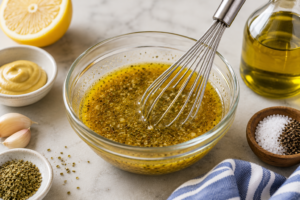
Assemble the salad:
Add the chickpeas, cucumber, tomatoes, bell pepper, red onion, olives, parsley, and mint to a large mixing bowl.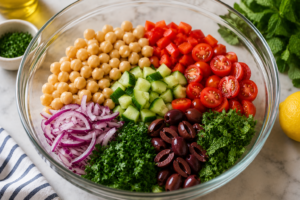
Add dressing and feta:
Pour the lemon dressing over the salad and toss gently until everything is evenly coated. Add the crumbled feta and fold it in carefully.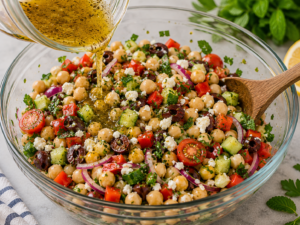
Chill and serve:
Let the salad rest for 10–15 minutes before serving so the flavors can blend. Serve chilled or at room temperature.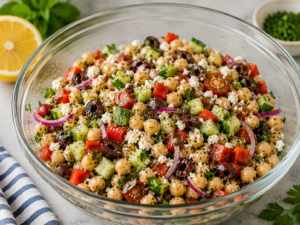
Notes
- Rinse the chickpeas thoroughly to remove the liquid from the can.
- Patting the chickpeas dry prevents the salad from becoming watery.
- For a milder onion flavor, soak the sliced red onion in cold water for 10 minutes.
- Leave out the feta for a dairy-free version.
- Store the salad in an airtight container in the refrigerator for up to 3 days.
- Add the feta shortly before serving when preparing the salad in advance.
Why you will enjoy this Mediterranean chickpea salad
One of the best things about this recipe is how quickly it can be prepared. Canned chickpeas eliminate the need for soaking or cooking dried beans, while the rest of the ingredients only need to be chopped and combined.
The salad is also easy to adapt. You can serve it as a light lunch, use it as a side dish with grilled chicken or fish, or divide it into containers for meal preparation. Because it tastes good chilled or at room temperature, it is convenient for picnics, packed lunches, and outdoor meals.
The lemon dressing is simple but flavorful. Extra virgin olive oil forms the base, while fresh lemon juice adds acidity. Garlic, dried oregano, Dijon mustard, salt, and black pepper create a balanced dressing that coats the chickpeas and vegetables without overpowering them.
Allowing the salad to rest for 10–15 minutes before serving gives the dressing time to blend with the vegetables and chickpeas. This short resting period makes a noticeable difference in the finished flavor.
Preparing the chickpeas properly
Draining and rinsing the chickpeas is an important first step. The liquid from the can can have a strong flavor and may make the salad watery if it is not removed thoroughly.
After rinsing, let the chickpeas drain completely. Patting them gently with paper towels removes additional moisture and helps the lemon dressing cling more evenly to their surface.
There is no need to remove the chickpea skins for this recipe. Keeping them intact saves time and provides the slightly firm texture that works well in a chopped salad.
Fresh vegetables and herbs
The vegetables should be cut into relatively small, similar-sized pieces. This makes the salad easier to serve and ensures that every portion contains a mixture of chickpeas, cucumber, tomato, pepper, onion, and olives.
Cherry tomatoes work particularly well because they are sweet, firm, and easy to halve. Regular tomatoes may also be used, but excess seeds and liquid should be removed to prevent the salad from becoming too wet.
The red onion adds flavor and color. For a milder result, soak the sliced onion in cold water for approximately 10 minutes, then drain and dry it before adding it to the bowl.
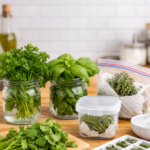
Fresh parsley adds a clean herbal note, while mint provides extra freshness. Mint is optional, but it works particularly well during the summer and complements the lemon dressing.
For another vegetable-rich recipe with similar fresh ingredients, Greek Salad is a natural option. It uses tomatoes, cucumber, olives, feta, and herbs, but without chickpeas.
How to make the lemon dressing
The dressing can be prepared in a small bowl with a whisk or in a jar with a tight-fitting lid. Combine the olive oil, fresh lemon juice, garlic, oregano, Dijon mustard, salt, and black pepper.
Dijon mustard helps the oil and lemon juice blend together while also adding a subtle tangy flavor. Shake or whisk the dressing until it looks evenly combined.
Taste the dressing before pouring it over the salad. Lemons can vary in acidity, so you may need a little more olive oil, salt, or black pepper depending on your preference.
Pour the dressing over the chickpeas and vegetables before adding the feta. Toss everything gently until the ingredients are evenly coated. Add the crumbled feta last and fold it in carefully so it does not break down too much.
Serving ideas
Mediterranean chickpea salad can be served on its own as a vegetarian lunch or as a side dish with grilled meat, seafood, flatbread, or roasted vegetables.
It also pairs well with chicken-based Mediterranean meals. Mediterranean Chicken Bowls are a particularly good cross-cluster option because the fresh vegetables, herbs, and lemon flavors complement this chickpea salad.
For a more substantial meal, serve the salad with warm pita bread, hummus, roasted chicken, grilled salmon, or a simple bowl of soup. It can also be spooned over mixed greens for a larger salad.
Variations and substitutions
For a dairy-free version, leave out the feta cheese. The salad will still have plenty of flavor from the olives, herbs, vegetables, and lemon dressing.
Cannellini beans or butter beans can replace chickpeas, although the texture will be softer. Green bell pepper may be used instead of red, while chopped artichoke hearts or roasted red peppers can add extra Mediterranean flavor.
Fresh dill can replace the mint, or you can use a combination of parsley and dill. A small amount of red pepper flakes may also be added to the dressing for gentle heat.
Avocado can be included, but it should be added shortly before serving because it may soften and discolor during storage.
Storage and meal preparation
Store the salad in an airtight container in the refrigerator for up to three days. The vegetables will gradually release some liquid, so stir the salad before serving again.
For the best texture when preparing it in advance, keep the feta and dressing separate. Combine them with the chickpeas and vegetables shortly before serving.
The salad should not be frozen because cucumber, tomatoes, herbs, and feta will lose their texture after thawing.
Final thoughts
Mediterranean chickpea salad is an easy recipe that brings together fresh vegetables, creamy feta, olives, herbs, and a simple homemade lemon dressing. It is colorful, satisfying, and quick enough to prepare on busy days.
With no cooking required and only 15 minutes of preparation, it is a useful recipe for summer lunches, meal prep, picnics, or light dinners. The combination of chickpeas and vegetables makes it substantial, while the lemon, oregano, parsley, and mint keep the flavor fresh and bright.
Chickpeas are used in many dishes across the Mediterranean, Middle East, and surrounding regions. General information about their history and culinary uses can be found on Wikipedia’s chickpea page.